Ledger Login:
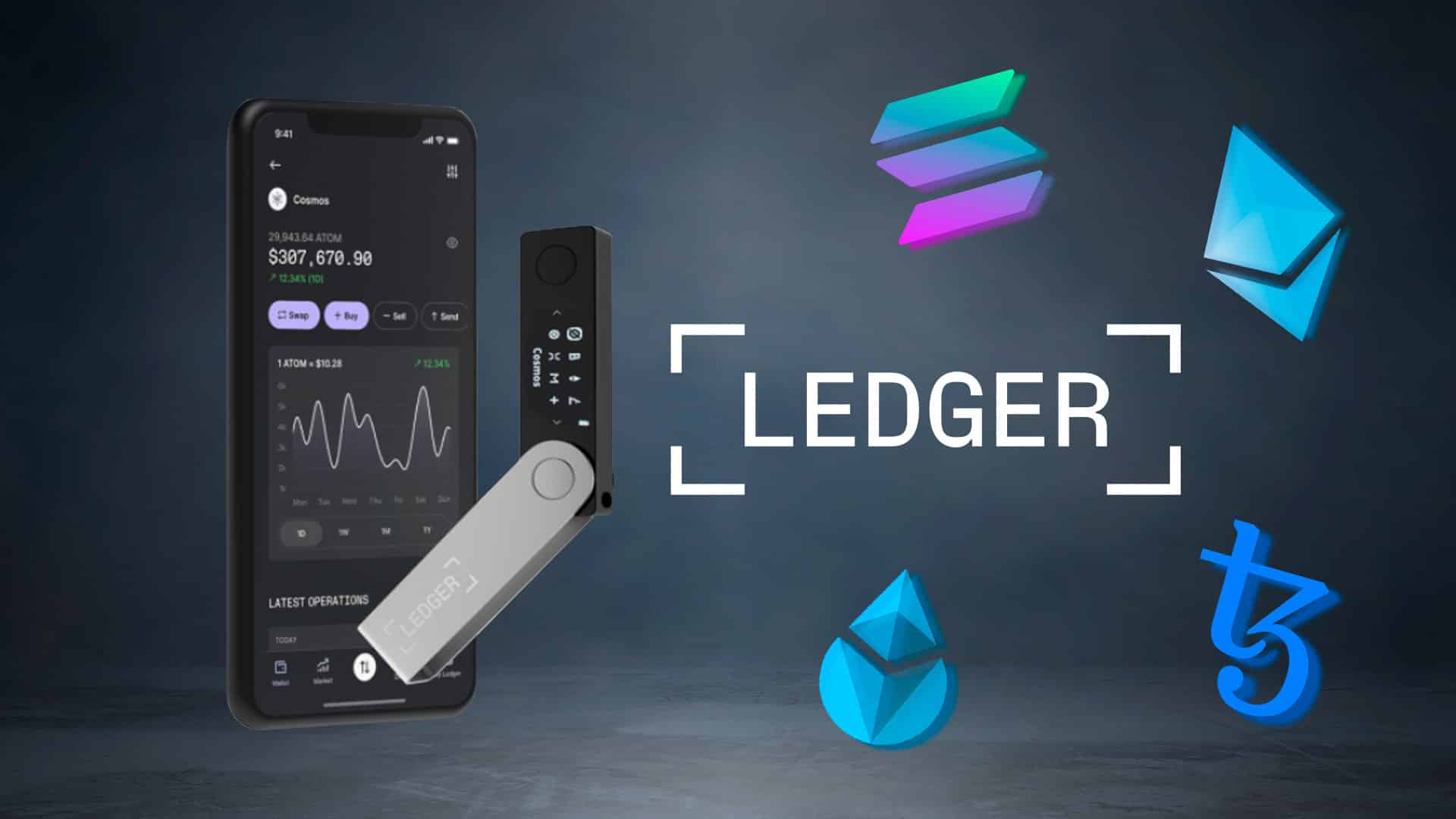
Ledger is a leading name in cryptocurrency security, known for its hardware wallets such as the Ledger Nano S Plus and Ledger Nano X. These devices are designed to store your crypto offline, keeping your private keys safe from hackers and online threats. Ledger Live is the companion software that allows you to manage your crypto assets, check balances, send and receive coins, and stake or exchange cryptocurrencies.
Unlike traditional online accounts, Ledger does not require a username or password to “log in.” Instead, the process relies on your physical Ledger device and a PIN code. This approach ensures that your private keys remain offline and secure. In this guide, we will explain everything about Ledger login in simple, plain language.
What Is Ledger Login?
Ledger login is the process of accessing your cryptocurrency accounts using Ledger Live and your Ledger hardware wallet. When you connect your Ledger device to Ledger Live and enter your PIN, the app can read your account information, balances, and transaction history.
The key point is that your private keys never leave the Ledger device. They remain securely stored offline, meaning even if your computer or phone is hacked, your crypto cannot be stolen. Ledger Live acts as a user interface to interact with your wallet, but it does not hold your funds or private keys.
In short, “logging in” with Ledger is not like logging in to Gmail or Facebook. You are essentially connecting your device and unlocking it with a PIN.
What You Need Before Logging In
Before you can log in, make sure you have the following:
A Genuine Ledger Hardware Wallet – This could be a Ledger Nano S Plus or Nano X. Only buy from official sources to avoid counterfeit devices.
Ledger Live App – Download the official Ledger Live app from the Ledger website. Avoid third-party downloads, which may be unsafe.
Device PIN – Set during wallet initialization. This PIN unlocks your device.
Recovery Phrase – A 24-word recovery phrase is generated when you set up your Ledger. Keep it safe offline. It is only needed if you lose your device or want to restore your wallet. It is not used for daily login.
Compatible Device – Depending on your Ledger model, you may need a USB port (Nano S) or Bluetooth-enabled phone (Nano X).
Step-by-Step Guide to Logging In
Here is how you “log in” to Ledger Live:
Open Ledger Live App – Launch the application on your computer or mobile device.
Connect Your Ledger Device – Use USB or Bluetooth depending on your model. Make sure the device is powered on.
Enter Your PIN on the Device – The PIN is always entered on the Ledger itself, not on the app, preventing malware from stealing it.
Device Verification – Once unlocked, Ledger Live will detect your wallet. Your accounts, balances, and transaction history will load. At this point, you are logged in.
Confirm Transactions on the Device – To send, receive, swap, or stake crypto, you must confirm actions on the Ledger device. This ensures private keys never leave the wallet and transactions are secure.
Disconnect After Use – Simply unplug your Ledger device. Since login depends on the device, removing it effectively logs you out.
Why Ledger Login Is Secure
Ledger login is considered one of the safest ways to manage cryptocurrency. Here’s why:
Private Keys Stay Offline – They never leave the device, protecting your crypto from online threats.
PIN Protection – Only someone with the correct PIN can unlock the wallet.
Recovery Phrase Security – The 24-word phrase is only for recovery and must be stored offline.
Transaction Verification – All actions require physical confirmation on the device, preventing malware from tricking you into sending funds to the wrong address.
Device Firmware Updates – Regular firmware updates strengthen security.
Common Mistakes to Avoid
Using Unofficial Apps – Only download Ledger Live from the official website.
Sharing Recovery Phrase – Never type or share your 24-word phrase online.
Skipping Firmware Updates – Keep your Ledger device and app up to date for better security.
Leaving Device Unprotected – Treat your Ledger like cash. If lost or stolen, it could compromise your funds if someone guesses your PIN.
Logging In Without a Ledger Device
You cannot fully log in to Ledger Live without a Ledger device. Unlike online wallets, Ledger Live does not store your private keys. The hardware device is essential. Without it, you can view nothing. If your device is lost, only the recovery phrase can restore access.
Tips for a Smooth Ledger Login
Label Your Accounts – Helps identify multiple accounts in Ledger Live.
Use Dedicated Devices – For extra security, use Ledger Live on a clean computer free from malware.
Double-Check Addresses – Always confirm addresses on the Ledger screen when sending crypto.
Beware of Fake Websites – Only access Ledger resources at
https://www.ledger.com.
Why Ledger Login Is Important
Ledger’s login process is different but critical for security. By keeping private keys offline, your funds are safe from hacking, phishing, and malware. Entering your PIN on the device and confirming transactions manually adds multiple layers of protection. This method gives you full control over your cryptocurrency, unlike online wallets or exchanges where private keys are held by third parties.
Conclusion
Ledger login may feel unusual at first because it does not rely on a username or password. Instead, it combines a hardware wallet and a PIN to access your crypto safely. The Ledger Live app acts as an interface, but the wallet itself holds your private keys securely offline.
By following these steps — using official software, keeping your recovery phrase offline, confirming transactions on your device, and updating firmware regularly — you can manage your cryptocurrency safely and confidently. Ledger login is not just a step in accessing your wallet; it is the foundation of cryptocurrency security.
With Ledger, you control your funds, and no hacker or third party can access them without your device and PIN. It may be different from traditional logins, but it is the safest method to protect your digital wealth.
This is a 1000-word plain-English guide that covers setup, login process, security, tips, and mistakes to avoid.
If you want, I can also create a more visual or beginner-friendly 1200-word version with examples and scenarios for easier understanding.